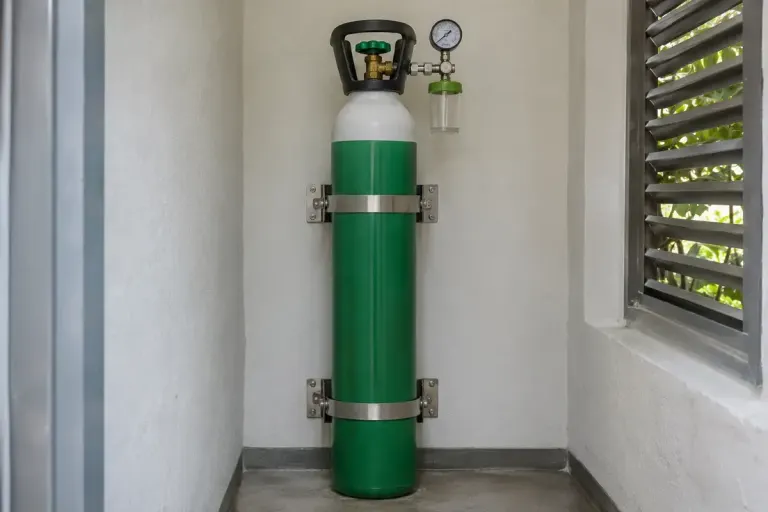
Workplace Safety
Extra oxygen makes an ordinary fire easier to start
Oxygen does not need to be a fuel to increase fire danger. Understand enrichment, everyday ignition sources and the precautions equipment users need.

Small checks. Clearer plans.
Oxygen does not need to be a fuel to increase fire danger. Understand enrichment, everyday ignition sources and the precautions equipment users need.
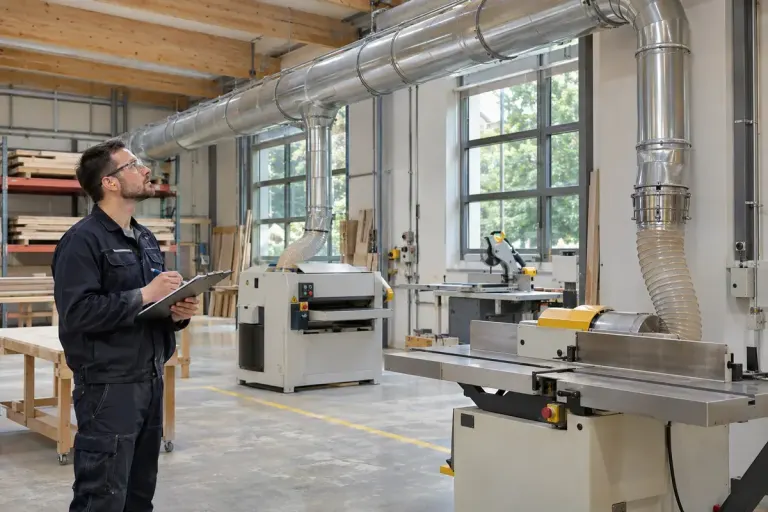
Combustible dust needs more than a tidy-looking floor. Understand why containment, suitable cleaning methods and hidden surfaces belong in a workplace plan.
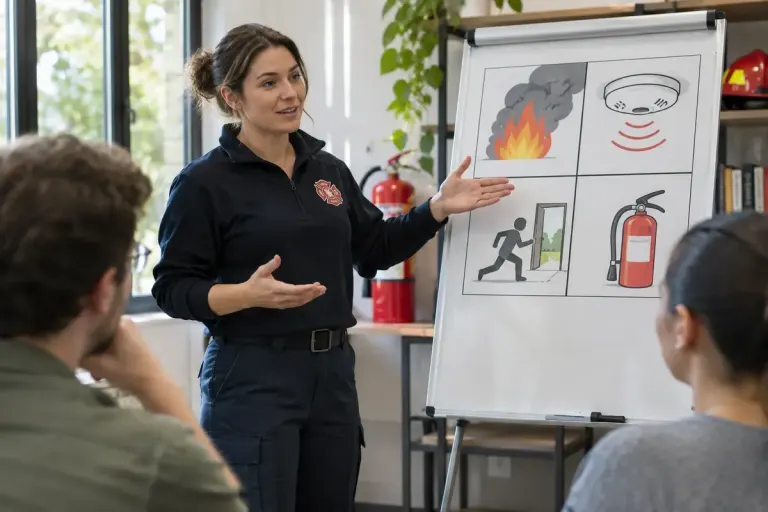
Understand fuel, heat, oxygen and the chemical chain reaction in the fire tetrahedron, and connect the model to sensible prevention at home.
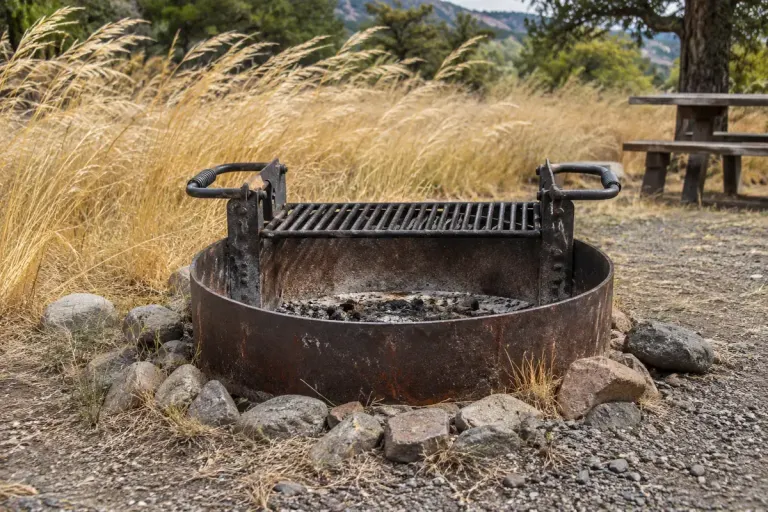
A red flag warning identifies dangerous fire-weather conditions. Use it to review outdoor plans, local restrictions and the alerts that apply to your location.

Think through responder access before an emergency: entrances, corridors, pets and building information all belong in the preparation.

A fire blanket has a defined purpose and instructions. Check suitability, access and training while keeping evacuation at the centre of the plan.
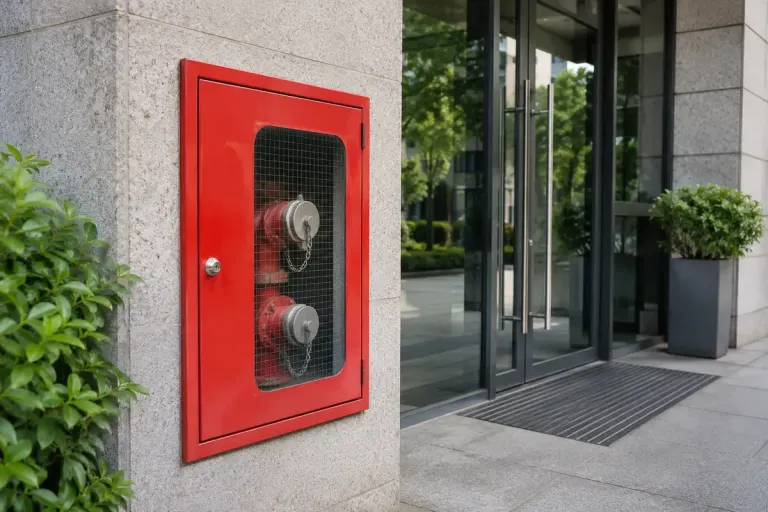
Understand why a dry riser is normally empty, how firefighters use it, and what residents should report without interfering with the equipment.

A smoke reservoir is a designed part of smoke control. Learn why curtains, extraction and later alterations must be considered together.
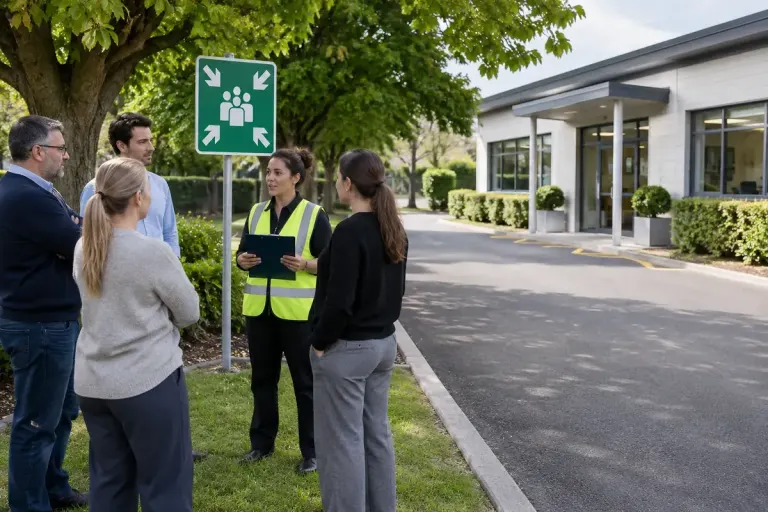
An evacuation meeting point needs a safe route, enough room and clear access for responders. Use these questions when reviewing a building’s fire plan.