A dry, windy afternoon may still look like a convenient time to finish garden work. A red flag warning changes that calculation. It signals conditions in which an ignition or an existing fire can become difficult to control.
In the United States, the National Weather Service explains that criteria vary by region and combine weather with fuel conditions. Do not copy a wind-speed threshold from another state and use it to dismiss your own warning.
Read the area and the valid period
Check whether the warning includes the place you will actually be, including a campsite or work site away from home. Note when it begins and ends. A warning screenshot forwarded yesterday may no longer describe today’s conditions.
Then look separately for local fire restrictions, park closures and evacuation information. These notices answer different questions. A red flag warning is not, by itself, an evacuation order, and the absence of one is not proof that burning is permitted.
Change the ignition opportunities you control
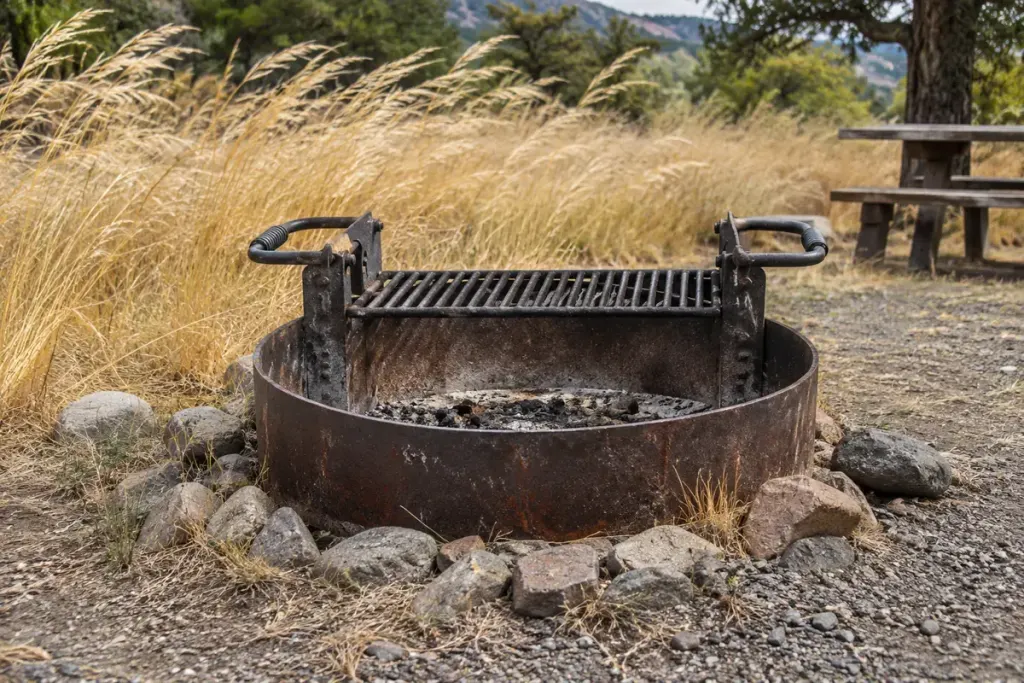
Review activities that create sparks or flame: recreational fires, outdoor burning and some mowing or cutting work. Follow the local fire authority’s instructions and postpone work when conditions or restrictions make it unsafe. The NWS’s public fire-weather advice illustrates why ordinary equipment use can matter during dry, windy conditions.
A simple household plan can name who checks official alerts, where the vehicle keys are, and which route will be used if authorities direct people to leave. Keep the plan available to someone whose phone battery is flat; do not rely solely on a group chat.
The NWS also makes an important distinction: a warning does not guarantee a new fire, and serious fires can occur outside warning conditions. Treat it as a reason to reduce avoidable ignition risk and stay informed, rather than as a prediction about one particular field or street.