After an Emergency
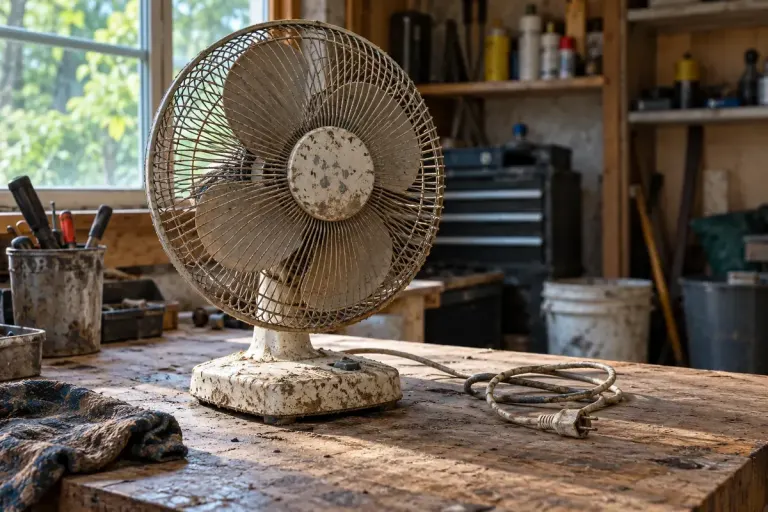
After Floodwater, Keep Electrical Equipment Out of Use
Treat flood-exposed electrical equipment as unsafe until properly assessed; keep people away and arrange qualified help instead of a trial switch-on.

Small checks. Clearer plans.
Treat flood-exposed electrical equipment as unsafe until properly assessed; keep people away and arrange qualified help instead of a trial switch-on.

Understand what an alarm test and a fire drill each check, and record practical observations without treating a test as permission to ignore alarms.

Sprinkler heads and pipes must not become supports for decorations or hangers. Keep them unobstructed and report damage to the responsible building staff.
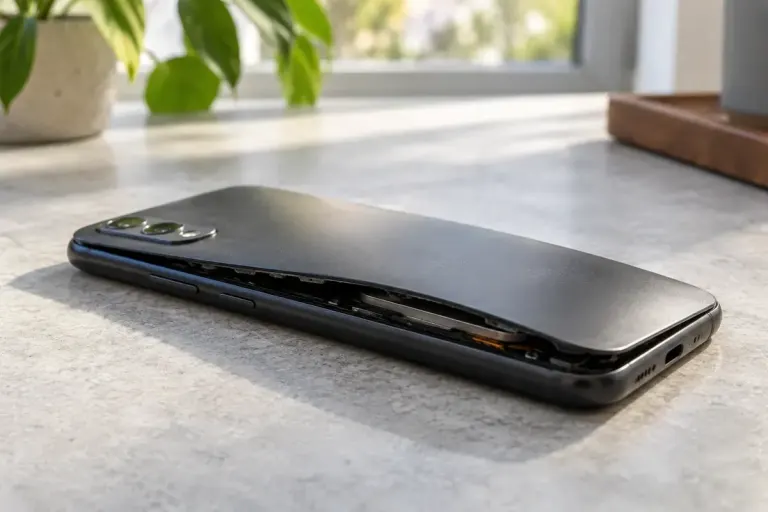
Recognise a swollen lithium-ion battery as a warning sign and know which questions to take to the manufacturer or local disposal service.
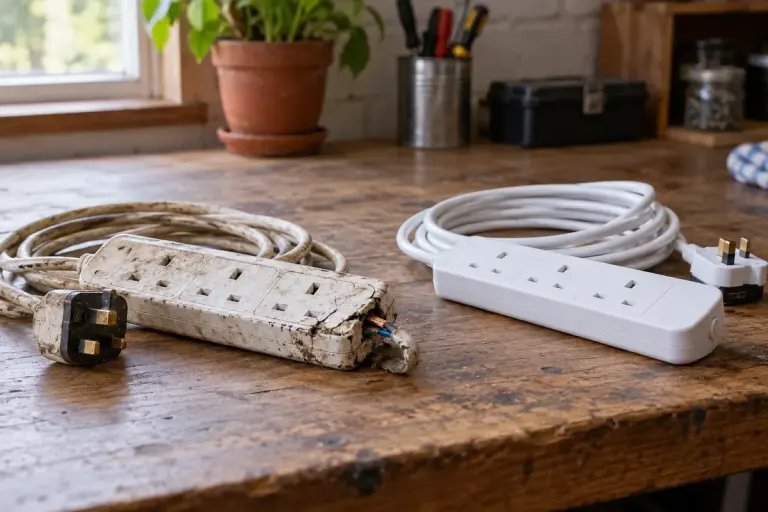
Spotting a damaged extension lead should trigger removal from use, clear communication and a competent repair or replacement decision.
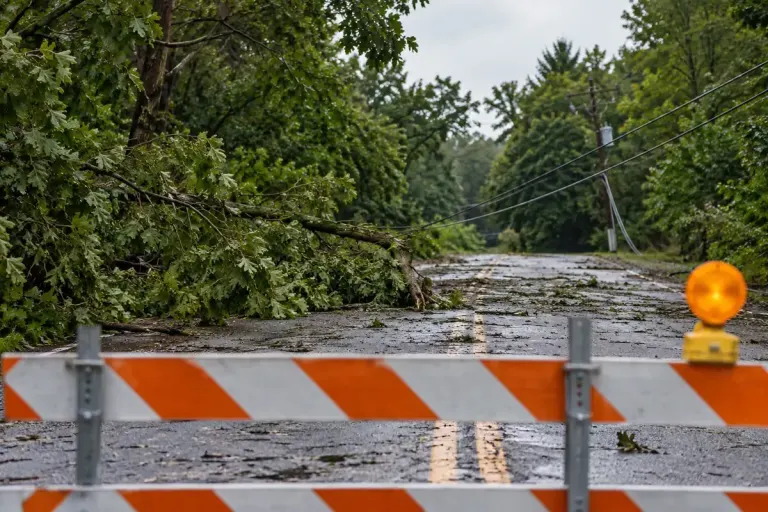
Treat fallen electrical lines as hazardous, keep away from nearby objects and report the location without approaching to identify the wire.
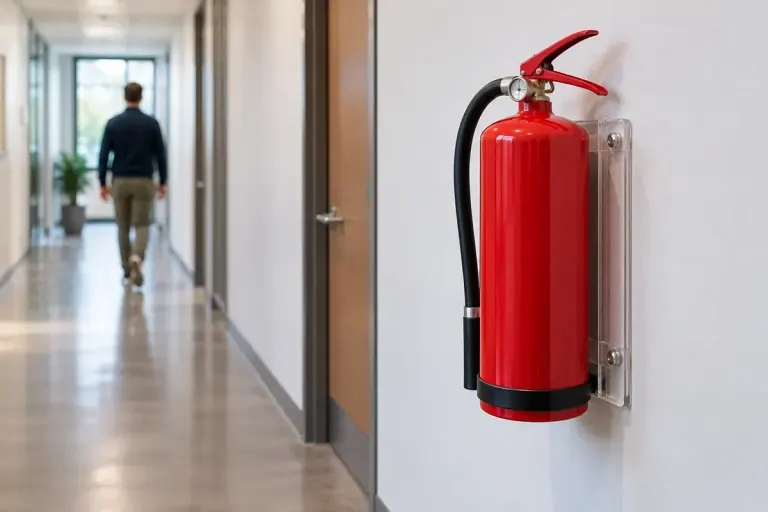
Review extinguisher access and visible condition, find its maintenance instructions, and know when to refer it for professional service.
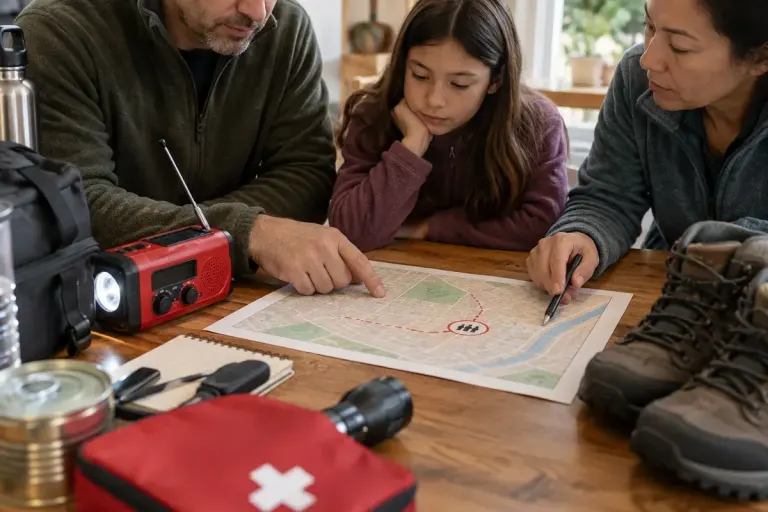
Plan what to do around a damaged building after an earthquake, separating household observations from the authority needed to declare it safe.

Locate and identify your household water shut-off while everything is dry, then record access details and who to contact if it cannot be operated.