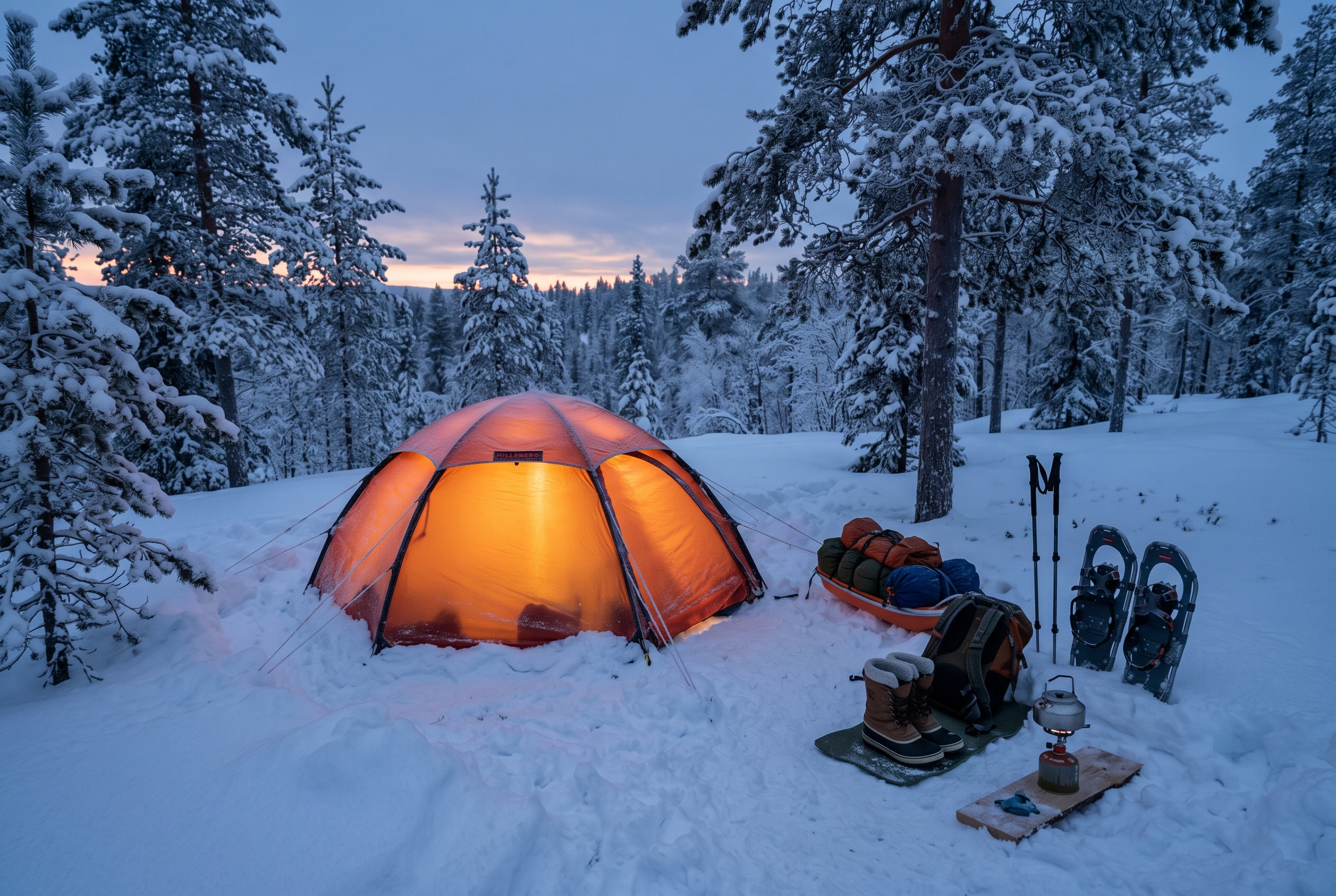
Winter Camping Guide: How to Stay Warm in Sub-Zero Temperatures
Stepping out into a frozen wilderness offers a serene beauty that few outdoor experiences can match. The quiet snowfalls and crisp mountain air provide total peace, but sub-zero temperatures present serious risks if you are unprepared.
Staying comfortable in extreme cold relies entirely on understanding how heat transfer works and selecting gear that creates a protective microclimate around your body. Equipping yourself with the right techniques ensures that cold-weather adventures remain safe and deeply rewarding.
Understanding Sleeping Bag Ratings for Freezing Nights
Your sleep system serves as your primary defense against hypothermia when your body temperature drops during rest. Selecting a sleeping bag rated for extreme cold requires looking beyond simple numbers on a tag.
ISO and EN ratings offer standardized metrics, but you must focus on the lower comfort limit rather than the extreme rating. Choosing high-performance cold weather outdoor gear designed specifically for winter conditions ensures your bag retains warmth when temperatures plummet past zero degrees.
Down vs. Synthetic Insulation Performance
Down insulation offers an exceptional warmth-to-weight ratio and compresses tightly into your pack, making it ideal for winter trekking. Premium high-loft down creates massive air pockets that trap radiant body heat effortlessly.
However, synthetic insulation retains thermal protection even when exposed to moisture from condensation inside your tent. If you anticipate heavy snow or damp conditions, high-end continuous-filament synthetic fills provide a reliable, moisture-resistant barrier for cold nights.
The Role of Sleeping Pads in Ground Insulation
Many campers mistakenly blame their sleeping bag for a cold night when the ground is the actual culprit. Frozen soil and ice conduct heat away from your body much faster than the surrounding ambient air.
Stacking a closed-cell foam pad beneath an insulated inflatable pad creates a massive thermal barrier against frozen ground. Utilizing accurate winter camping tips like checking the combined R-value of your pads guarantees that conductive heat loss will not ruin your sleep.
Mastering the Layering System to Regulate Body Heat
Regulating your body temperature while active prevents sweat buildup, which is the primary cause of sudden chilling in sub-zero environments. A proper winter clothing system relies on three distinct functional layers working seamlessly together.
Managing these layers continuously throughout the day keeps moisture moving away from your skin while trapping warm air close to your core.
The Base Layer: Moisture Management
Your base layer sits directly against your skin and functions solely to manage perspiration. Synthetic fabrics like polyester or natural merino wool wick sweat away from your body rapidly to keep skin dry.
Never wear cotton base layers in sub-zero conditions, as cotton absorbs moisture and loses all insulating properties when damp. A snug merino wool top and bottom will maintain a dry microclimate even during intense snowshoeing or trail breaking.
The Mid-Layer: Trapping Essential Warmth
The insulating mid-layer creates dead air space that retains the heat generated by your body. Heavyweight fleece, grid fleece, or active synthetic jackets perform exceptionally well while moving because they allow trapped moisture vapor to escape.
For static moments, such as sitting around camp or taking rest breaks, a heavy high-loft down jacket worn over your mid-layer keeps warmth locked in tight. Implementing effective stay warm camping habits includes adding this extra insulated coat the moment you stop moving.
The Outer Shell: Wind and Weather Defense
Your outer shell acts as the shield against howling winds, driving snow, and external moisture. A breathable, waterproof, and windproof jacket prevents freezing gusts from stripping away the warm air trapped by your mid-layers.
Look for technical shells equipped with pit zips and adjustable hoods so you can vent heat during strenuous climbs without exposing yourself to icy winds. Fully sealed seams keep blowing snow from melting into your underlying insulation layers.
Protecting Extremities and Essential Accessories
Hands, feet, and facial skin are most vulnerable to frostbite in sub-zero temperatures because your body naturally prioritizes core warmth when chilled.
Investing in heavy-duty insulated mittens rather than gloves keeps your fingers clustered together for shared warmth. Wearing windproof face masks, thick wool socks, and insulated winter boots prevents cold spots that can quickly turn an enjoyable trip into a medical emergency.
Smart Hydration and Nutrition Before Bed
Your metabolism acts as an internal furnace that generates heat continuously throughout the night. Consuming a high-calorie meal rich in healthy fats and complex carbohydrates right before climbing into your sleeping bag keeps your metabolic engine burning warm for hours.
Staying well-hydrated is equally vital, as dehydration reduces total blood volume and impairs your body’s ability to circulate heat to your fingers and toes. Keep water bottles inside an insulated sleeve or store them upside down in your pack so the caps do not freeze solid.
Adapting your routines to respect extreme cold allows you to enjoy frozen landscapes safely and comfortably. With proper preparation, high-quality insulation, and disciplined layering, you can master sub-zero camping and embrace the quiet magic of winter wilderness.