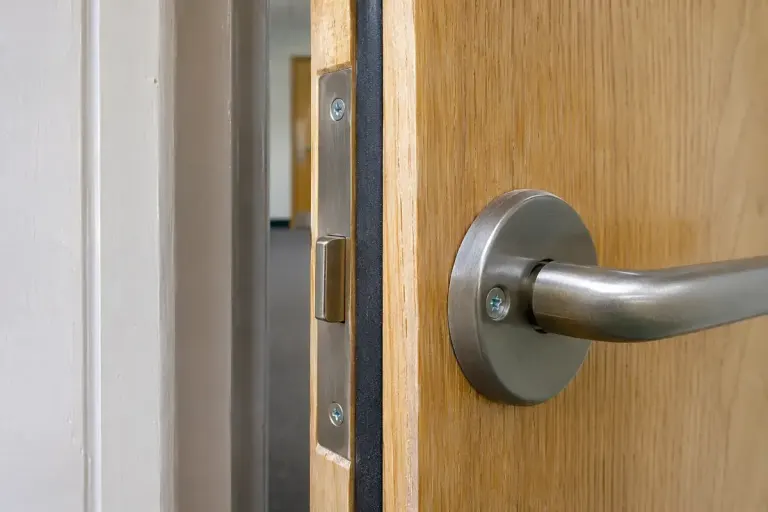
Building Fire Safety
What the expanding strip around a fire door is there to do
An intumescent strip is part of a fire-door assembly. Understand its role, how it differs from a smoke seal, and why damage needs a qualified assessment.

Small checks. Clearer plans.
An intumescent strip is part of a fire-door assembly. Understand its role, how it differs from a smoke seal, and why damage needs a qualified assessment.
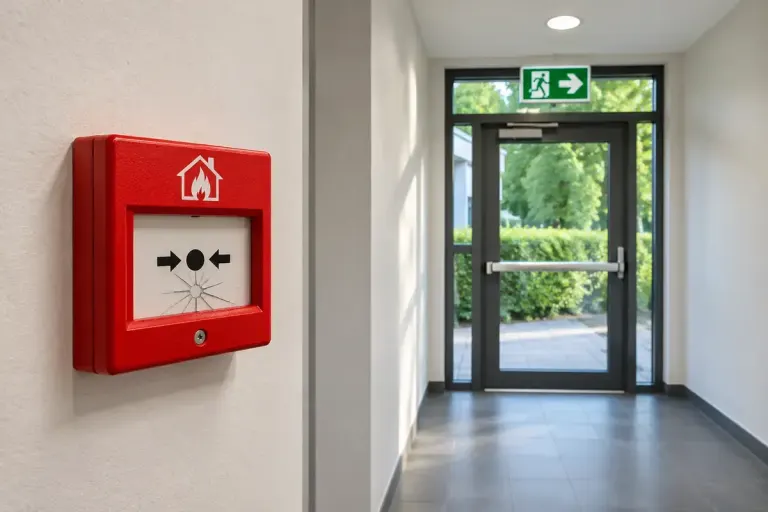
Pressing a fire-alarm call point raises the building alarm. Whether emergency services are contacted is a separate arrangement worth understanding beforehand.
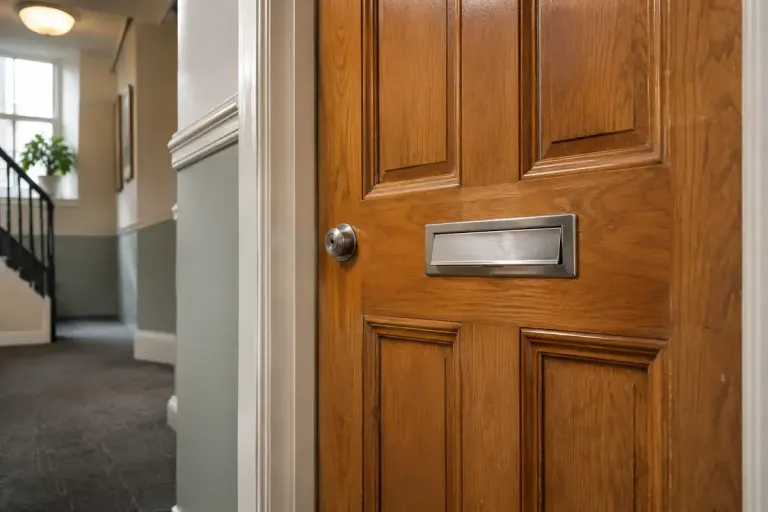
Replacing a letter plate on a fire door is more than a cosmetic choice. Check the tested door assembly and get qualified advice before altering its opening.
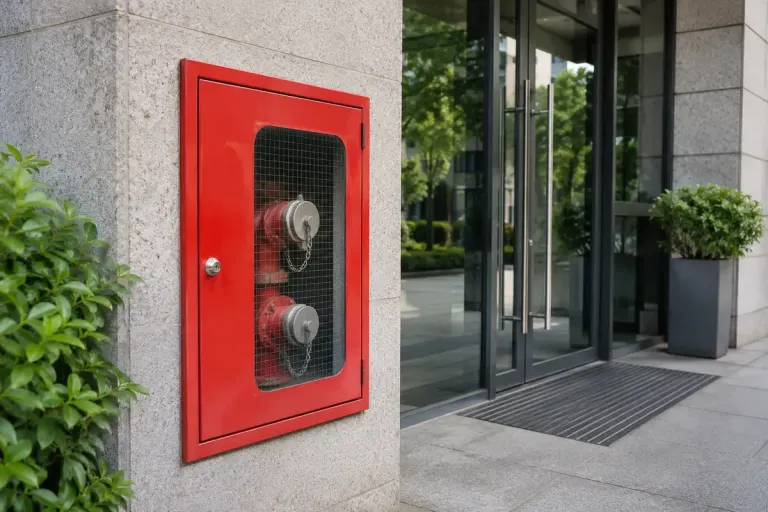
Understand why a dry riser is normally empty, how firefighters use it, and what residents should report without interfering with the equipment.

A smoke reservoir is a designed part of smoke control. Learn why curtains, extraction and later alterations must be considered together.
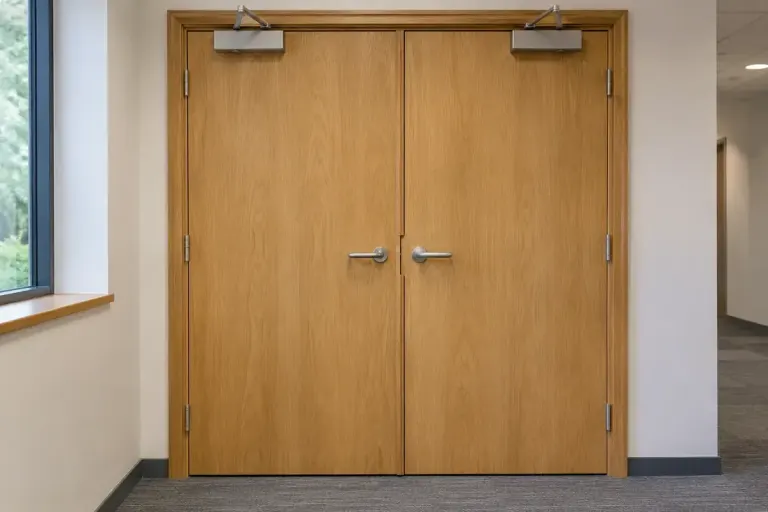
On some double fire doors, one leaf must close before the other. Learn what a coordinator does and what to report when the pair does not meet correctly.
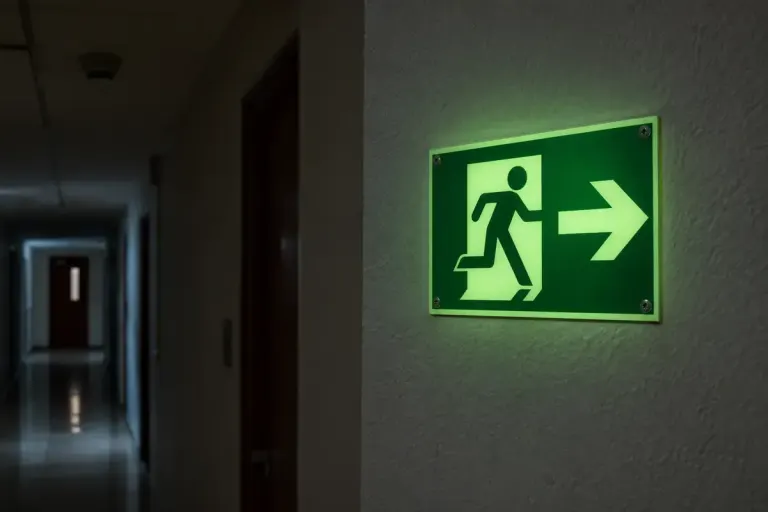
Photoluminescent exit signs store energy from surrounding light. Learn why their location, charging conditions and maintenance instructions matter.

Evacuation and firefighting lifts serve different planned roles. Learn why a lift’s label or size cannot determine whether occupants should use it.

Separate emergency-lighting checks from fire-alarm checks and keep a record that makes faults and follow-up easy to identify.