
The time to decide which room offers shelter is before a tornado warning arrives. During an urgent alert, a household benefits from a destination people already know and a route they can actually use.
The National Weather Service’s tornado guidance recommends a basement where available, or a small interior room on the lowest floor away from windows. Public buildings may have designated shelter areas. A mobile home is not a substitute for a sturdy shelter, even if it is tied down.
Walk the route on an ordinary day
- Check whether the chosen area can be reached without searching for a key.
- Keep the route clear of stored boxes and furniture.
- Account for anyone who needs assistance, including how that help will arrive.
- Know the building’s own shelter arrangements rather than assuming the nearest bathroom is suitable.
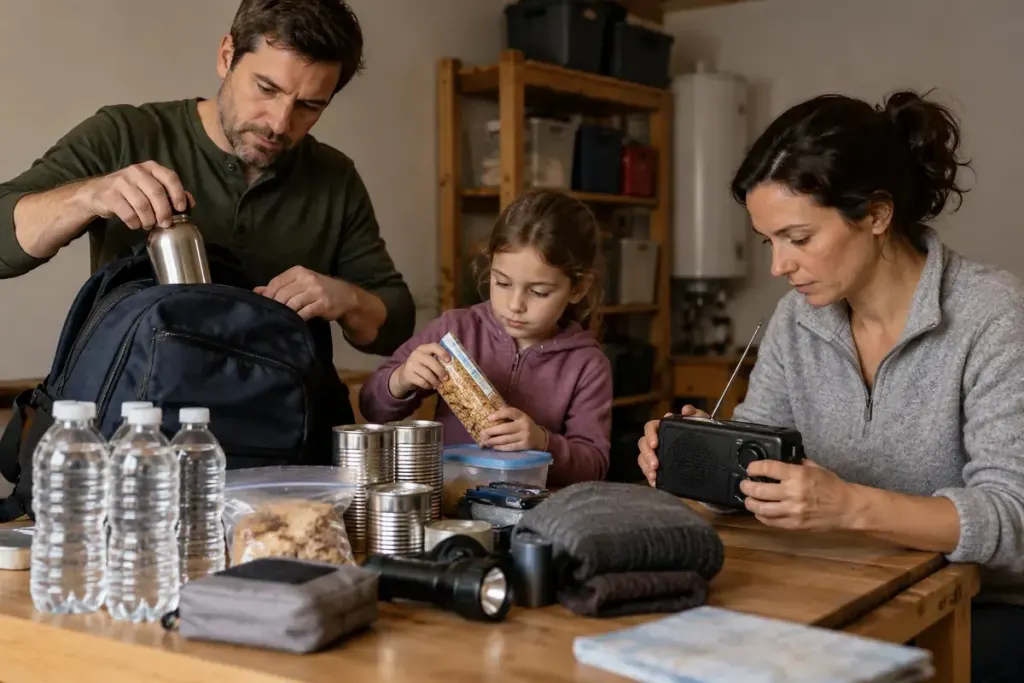
Keep essential supplies where they can be reached without delaying shelter. A charged communication device, shoes, a light and necessary personal items are useful preparations, but collecting possessions should not become a reason to remain exposed once action is required.
Make the warning source part of the plan
Agree how you will receive local alerts, including overnight and during a power interruption. A siren heard outside should not be your only plan for receiving a warning indoors. Follow the current instructions from your local weather and emergency authorities.
For a household practice, ask each person to describe where they would go from the kitchen, bedroom or garden. This can reveal a locked internal door or an assumption that someone else will assist a family member. Resolve those details while there is no emergency.
No room can promise complete protection from every tornado. The aim is to make a safer shelter choice early and act promptly when instructed, rather than stand at a window trying to judge the storm for yourself.