
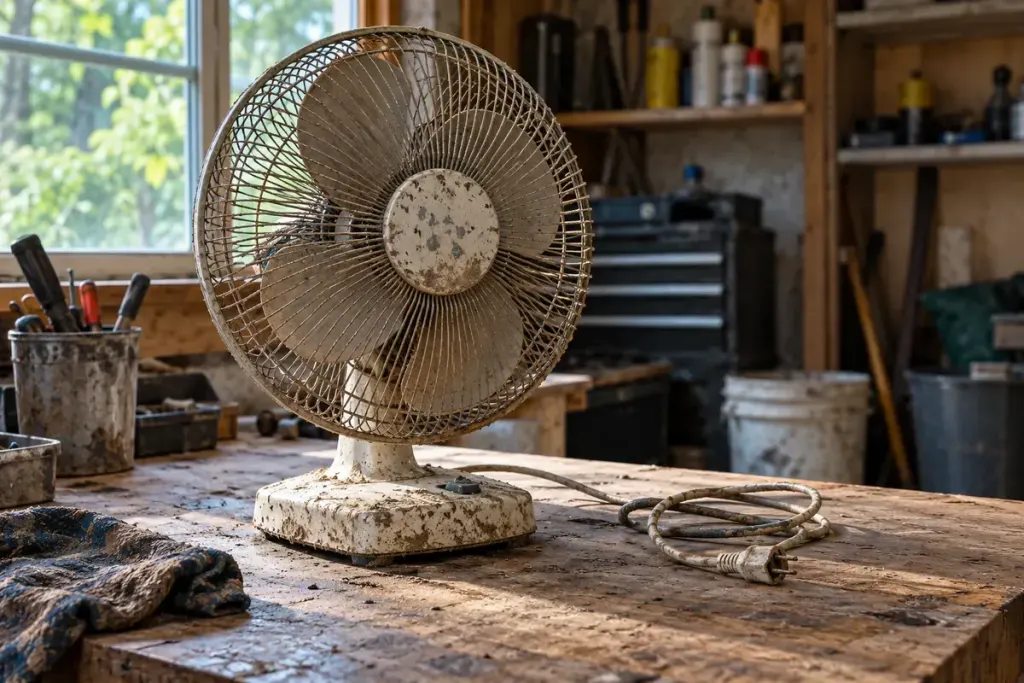
The water has gone and the outside of an appliance looks dry. That is not a safe basis for plugging it in. Flood exposure can leave damage or contamination where a quick visual inspection cannot reach.
The CDC’s flood-disaster safety guidance warns against touching electrical devices in wet areas when power status is uncertain and says electrical equipment and circuits should be inspected by a qualified electrician before power is restored.
Keep the first decision simple
Do not enter standing water to reach a switch, unplug an appliance or retrieve an extension lead. If you cannot approach the equipment safely, stay out and contact the appropriate emergency, utility or qualified electrical service. Do not treat rubber footwear as permission to investigate a live electrical hazard.
Follow local instructions about re-entering the building. A cleared doorway does not mean the wiring, sockets or appliances have been cleared for use. Other structural and contamination hazards may also remain.
Make an assessment list without testing anything
Once the area has been declared safe to access, record which items were exposed and where the water reached. Photographs taken from a safe position can help the professional assessment or an insurance discussion. Keep model details if they are accessible without opening equipment.
- Keep affected items clearly out of use.
- Tell other household members that “dry outside” is not clearance.
- Ask the manufacturer or qualified assessor whether replacement is required.
- Use an appropriate local disposal route for equipment that cannot be returned to service.
Do not dismantle an appliance, use a hairdryer to attempt a repair or perform a brief switch-on “just to see”. A short test can create the very hazard you are trying to rule out.
The practical goal is a safe return to use, not the fastest possible restart. Keep the assessment outcome with the equipment record so nobody has to guess later whether an item was inspected, replaced or simply left to dry.